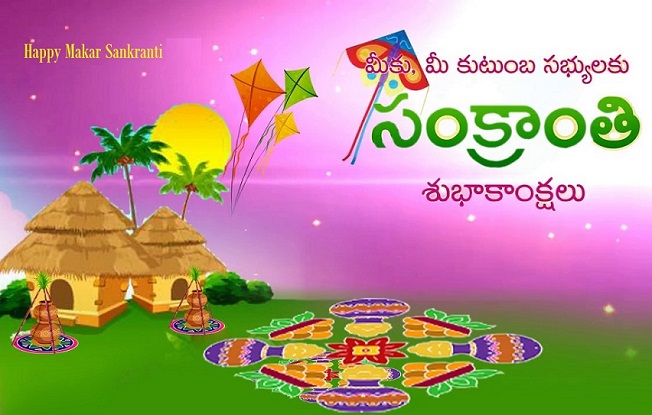
Makar Sankranti is one of India’s most significant harvest festivals, celebrated with great joy across multiple states. It marks the transition of the Sun into the zodiac sign of Capricorn (Makara Rashi), symbolizing the beginning of longer and brighter days. In South India, it is celebrated as Pongal, while different regions observe it with unique traditions and rituals.
Makar Sankranti Meaning
The term Makar Sankranti is derived from two Sanskrit words:
- Makar – meaning Capricorn.
- Sankranti – meaning the movement or transition of the Sun from one zodiac sign to another.
Therefore, Makar Sankranti signifies the Sun’s movement into Capricorn, representing new beginnings, prosperity, and the end of winter.
Information About Makar Sankranti
- Makar Sankranti usually falls on January 14th every year.
- It marks the start of the Sun’s six-month auspicious period known as Uttarayana.
- The festival is associated with harvest, gratitude, and seasonal change.
- It is one of the few Indian festivals that follows the solar calendar.
- People take holy dips in rivers, especially the Ganga, as it is believed to purify the soul.
Cultural Importance of Makar Sankranti
The festival holds both cultural and spiritual significance. It represents:
- The end of the harsh winter season.
- The beginning of better agricultural cycles.
- Thanksgiving to nature, animals, and the Sun God.
- A symbol of positivity, hope, and abundance.
Pongal Festival (Tamil Nadu)
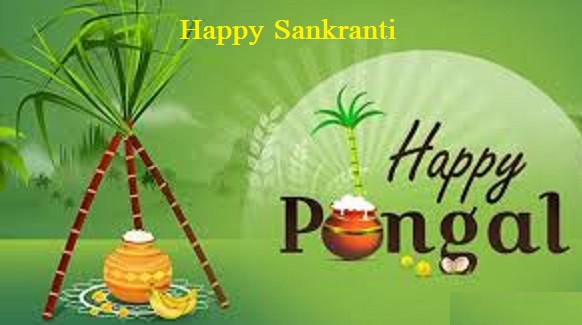
In Tamil Nadu, Makar Sankranti is celebrated as Pongal, a four-day harvest festival that honors farmers, cattle, and nature. The word “Pongal” means “to overflow,” symbolizing prosperity.
Four Days of Pongal
- Bhogi Pongal – Day of cleaning homes and discarding old items.
- Thai Pongal – Main day dedicated to Sun God with Pongal dish.
- Mattu Pongal – Worship of cattle used in farming.
- Kaanum Pongal – Day of family gatherings and social visits.
Traditional Foods of Sankranti & Pongal
- Tilgul (sesame & jaggery sweets) – Maharashtra
- Pongal (sweet rice dish) – Tamil Nadu
- Sakkare Pongal – South India
- Pithe (rice cakes) – Bengal
- Khichdi – North India
Makar Sankranti Celebrations Across India
Maharashtra
- People exchange sweets with the phrase “Tilgul Ghya, God God Bola.”
Gujarat
- Known for the International Kite Festival and kite-flying competitions.
Punjab & Haryana
- Celebrated as Lohri on the previous night with bonfires and dance.
Andhra Pradesh & Telangana
- Celebrated as Pedda Panduga with rangoli (muggu) and family feasts.
Karnataka
- Known as Sankranthi with ellu-bella (sesame and jaggery mix) distribution.
West Bengal
- Celebrated as Poush Sankranti with special sweets and rituals.
Makar Sankranti / Pongal Wishes
- “Wishing you a joyful Makar Sankranti filled with sunshine and positivity!”
- “May the Sun bring prosperity and happiness into your life. Happy Sankranti!”
- “Pongal Vaazhthukkal! May your life be filled with joy and abundance.”
- “Warm wishes for a blessed Pongal festival with your loved ones.”
Conclusion
Makar Sankranti (or Pongal) is a beautiful festival that celebrates harvest, nature, and new beginnings. It reflects India’s cultural diversity with unique traditions across states, all centered around gratitude and prosperity.
Frequently Asked Questions (FAQs)
1. When is Makar Sankranti celebrated?
Makar Sankranti is celebrated every year on January 14th or 15th, depending
on the Sun’s position according to the solar calendar.
2. Why is Pongal celebrated for four days?
Each day has a symbolic meaning — cleansing, worship, gratitude to cattle,
and family bonding.
3. Why do people fly kites on Makar Sankranti?
Kite flying symbolizes freedom, celebration, and absorbing sunlight during
winter for better health.
4. What is the spiritual importance of Makar Sankranti?
It marks the beginning of Uttarayana, a time believed to bring spiritual
upliftment, purity, and divine blessings.