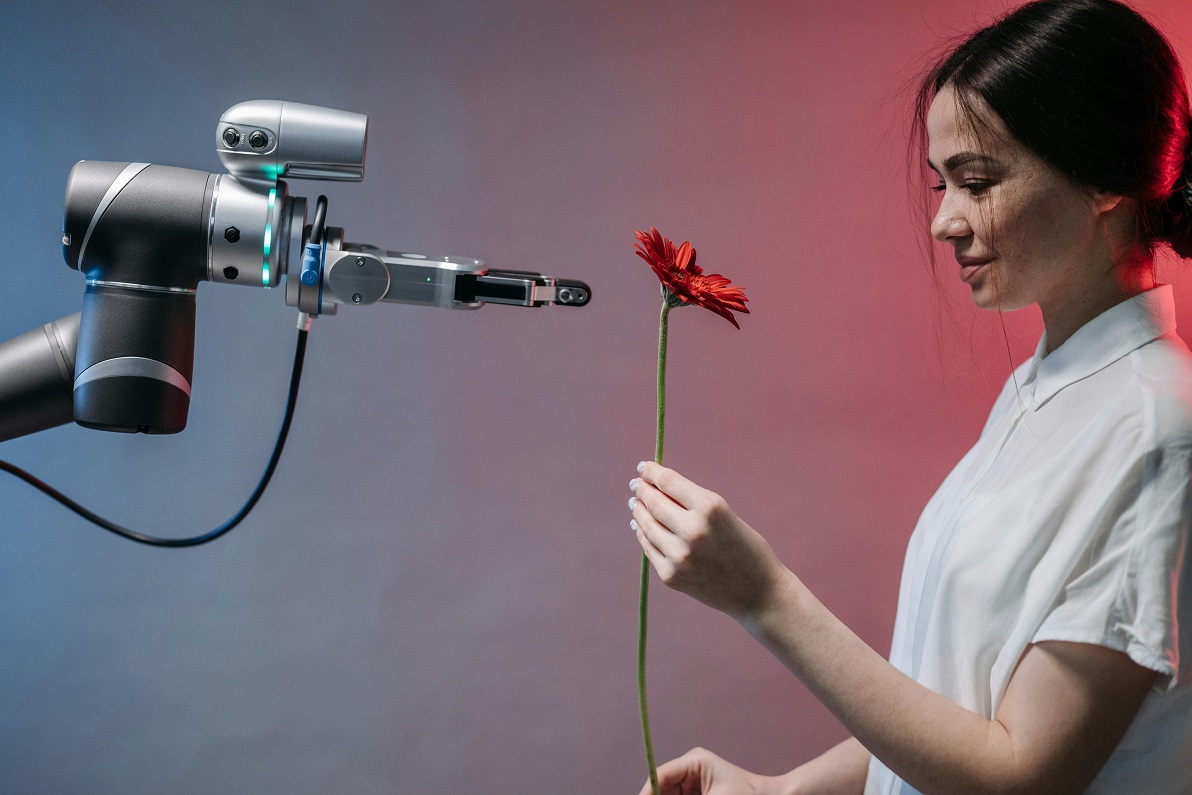
The rapid rise of Artificial Intelligence (AI) is creating one of the biggest shifts in human history. From customer service to healthcare, logistics, marketing, and finance — AI is transforming how businesses operate and how people work. Many employees and students are asking questions like:
- Will AI replace my job?
- Which careers are safe?
- What skills should I learn now?
- Which industries will be most affected?
This long-form guide explains the complete picture: AI vs human jobs, high-risk careers, safe careers, emerging opportunities, future-proof skills, and how students can prepare for the future of work (2025–2035).
🔍 Understanding the AI Revolution
AI is not just automation. It is the combination of:
- Machine learning
- Generative AI
- Robotics
- Natural language processing
- Data analytics
- Neural networks
These technologies are becoming powerful enough to perform tasks previously thought to require human intelligence — such as writing, coding, analyzing data, creating designs, and making decisions. This shift is creating both new opportunities and challenges for the global workforce.
⚠️ Are Human Jobs Really at Risk?
The short answer: YES — but not all jobs are equally affected.
AI does not replace every job; it replaces tasks within jobs. This means many roles will evolve, not disappear. Some jobs will shrink, some will grow, and completely new careers will emerge.
The World Economic Forum predicts that AI will:
- Replace 85 million jobs by 2025
- Create 97 million new jobs by 2025
So the key is adaptation.
🔥 Jobs Most Likely to Be Replaced by AI
1. Administrative and Repetitive Clerical Jobs
Roles with predictable, rule-based tasks are the easiest for AI to automate.
- Data entry operators
- Clerks and office assistants
- Appointment schedulers
- Receptionists
- Payroll processors
AI tools like chatbots, automation software, and document processing systems already replace many administrative tasks.
2. Customer Support Roles
AI chatbots and voice assistants can handle 70–80% of customer questions instantly.
- Call center agents
- Help desk support
- Customer care executives
Companies now prefer using AI for 24/7 support, low cost, and zero wait times.
3. Basic Accounting & Bookkeeping Jobs
AI-powered finance tools automate expense tracking, invoicing, tax calculations, and reconciliation.
- Accounting assistants
- Junior accountants
- Billing clerks
This doesn’t eliminate accountants — but reduces junior-level roles.
4. Retail & Cashier Jobs
Self-checkout counters, automated billing systems, and robotic warehouses are becoming standard.
- Cashiers
- Store clerks
- Inventory packers
5. Transportation & Delivery Jobs
With self-driving cars, drones, and autonomous logistics, these roles face high disruption.
- Taxi drivers
- Truck drivers
- Delivery personnel
6. Basic Content Creation Roles
AI can now write articles, emails, ads, and product descriptions.
Low-skill content writing roles are at moderate risk.
7. Manufacturing and Assembly Line Jobs
Robots are faster, more precise, and operate 24/7 without breaks.
- Factory workers
- Assembly operators
- Quality inspectors
🛡️ Jobs That Are Safe from AI (Low Risk)
Jobs requiring human emotion, creativity, complex decision-making, ethical judgment, or physical presence remain safe.
1. Doctors, Nurses & Healthcare Professionals
AI assists diagnosis, but human care cannot be replaced. Surgery, treatment, and patient care require human intelligence and empathy.
2. Teachers, Trainers & Educators
AI can provide information, but real teaching requires emotional connection, mentoring, and personalized guidance.
3. Skilled Trades
Jobs requiring physical skills and on-site work remain safe.
- Electricians
- Plumbers
- Carpenters
- Welders
- Mechanics
4. Creative Careers
AI can assist but cannot replace original, emotionally driven creativity.
- Film directors
- Writers
- Designers
- Artists
- Storytellers
5. Leadership & Managerial Roles
AI cannot replace strategic thinking, high-stakes decision-making, or human leadership.
6. Research & Innovation Jobs
AI helps research, but innovation requires human imagination.
7. Hospitality & Service Industry
Human warmth, interaction, and emotional intelligence keep these roles safe.
🚀 Fastest-Growing AI-Era Careers (2025–2035)
These jobs will boom as AI expands globally:
- AI Engineers
- Machine Learning Specialists
- Prompt Engineers
- Cybersecurity Experts
- Data Scientists
- Cloud Computing Architects
- Robotics Technicians
- Digital Marketing Experts
- Automation Strategists
AI is not eliminating jobs — it's creating entire new industries.
🔮 What Skills Will Matter the Most in an AI-Powered Future?
1. Digital Skills
- AI tools
- Data literacy
- Cloud computing basics
- Automation tools (Zapier, Make, Power Automate)
2. Problem-Solving & Critical Thinking
Humans who can make sense of complex problems will always be needed.
3. Creativity
AI can generate ideas, but human creativity drives originality.
4. Emotional Intelligence (EQ)
Leadership, teamwork, negotiation, communication — irreplaceable human skills.
5. Tech + Non-Tech Hybrid Skills
- Product management
- Digital marketing + AI
- Healthcare + AI
- Education + technology
6. Adaptability & Continuous Learning
The most important future skill is the ability to learn new skills quickly.
📌 How Students Can Prepare for the Future Job Market
1. Learn AI & Automation Tools
Even basic AI knowledge gives a huge advantage.
2. Build Practical Experience
- Internships
- Projects
- Freelancing
- Online certifications
3. Focus on Soft Skills
Communication, teamwork, leadership, and emotional intelligence will matter more than ever.
4. Choose Hybrid Careers
Tech + Domain = High salary + future-proof job.
5. Build a Personal Brand
Students who publish content, share projects, and build online visibility attract better opportunities.
📘 AI vs Human Jobs: Summary Table
| Category |
Risk Level |
AI Impact |
| Administrative roles |
High |
Automation replacing tasks |
| Creative professionals |
Low |
AI assists, humans lead |
| Healthcare jobs |
Low |
AI supports, not replaces |
| Customer support |
High |
Chatbots handle majority queries |
| Education |
Low |
AI helps; teachers still essential |
| Skilled trades |
Low |
Humans required on-site |
| Data & AI careers |
Very Low |
Strong future growth |
🌟 Will AI Replace Humans Completely?
No — AI will replace tasks, not human purpose.
The future belongs to people who learn how to work WITH AI, not against it.
💡 Final Thoughts
AI is transforming the job market faster than any technology in history. Some jobs will fade, many will evolve, and completely new careers will emerge. The key to surviving — and thriving — is learning the right skills, adapting continuously, and using AI as a partner instead of seeing it as competition.
The most successful people in the next decade will be those who combine:
- Human intelligence
- Emotional intelligence
- Creativity
- Technological capability
AI isn’t the end of human jobs — it’s the beginning of a new era of smarter, more meaningful work.