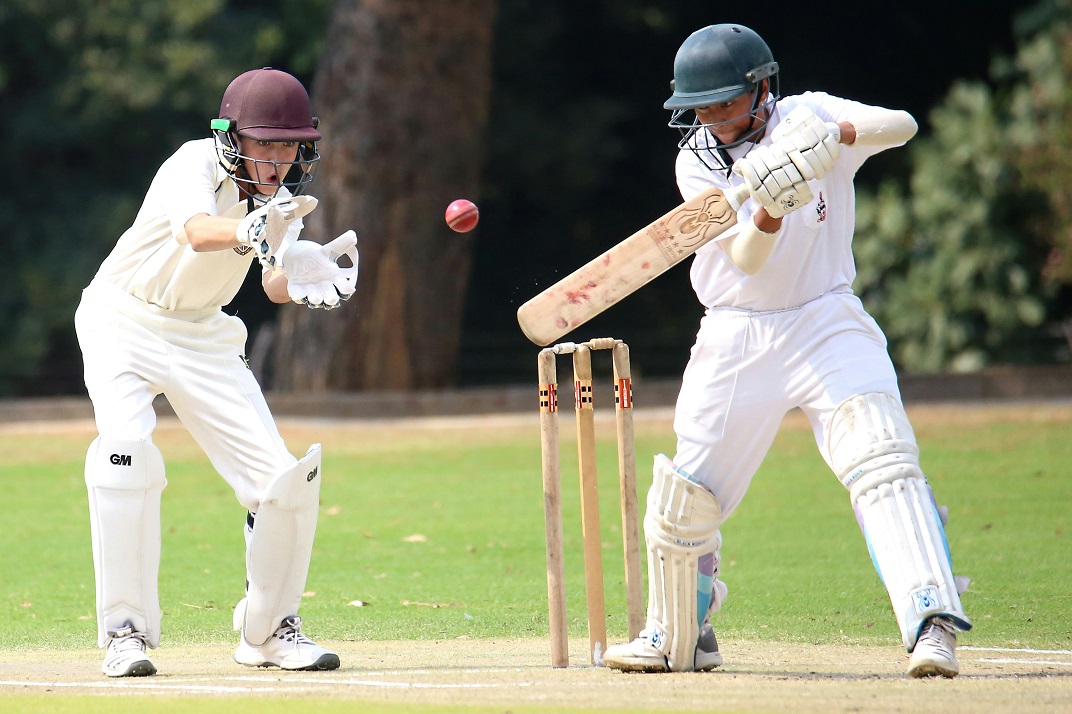
A practical, coach-approved plan to boost batting technique, footwork, timing, shot selection, mental strength and fitness. Includes drills, common mistakes, a 30-day practice program and pro tips to help beginners and club players bat better quickly.
Why Focus on Batting Fundamentals?
Batting is a combination of technique, timing, decision-making and physical fitness. Improvements that target fundamentals—grip, stance, footwork and watching the ball—translate to better contact, more control and higher scores. Advanced skills (power-hitting, improvisation) are easier to develop once fundamentals are strong.
The 3 Pillars of Good Batting
- Technique: correct grip, stance and bat path.
- Footwork & Balance: moving to the ball early and staying balanced.
- Timing & Decision-Making: watching the ball and choosing correct shots.
Technique: Grip, Stance & Backlift
Grip
Use a comfortable two-handed grip. Top hand supplies control; bottom hand provides power. The V of your hands should run down the centre of the handle. Avoid gripping too tightly—relaxation improves bat speed and timing.
Stance
- Feet shoulder-width apart, knees slightly bent.
- Bat grounded behind the back foot (or vertical, depending on coach's style).
- Head balanced over feet; eyes level.
- Weight slightly on the front of the back foot for quick forward movement, or centered for balance—experiment with small adjustments.
Backlift & Downswing
Backlift should be controlled—lift the bat in the direction you intend to play (many coaches teach a slightly open backlift for drives). On the downswing, keep the bat close to the body, eyes on the ball, and aim for a straight bat through the line for drives.
Footwork determines your ability to get to the pitch of the ball (forward) or create room (back). Good footwork includes:
- Early movement: make the initial decision quickly—move forward for full deliveries and back for short ones.
- Small, decisive steps: avoid weight shifts that break balance.
- Head over the ball: keep your eyes and head steady; this improves judgment and timing.
Footwork drills
- Shadow batting: practice foot movement and bat path without a ball.
- Step-and-hit drill: coach throws soft balls—focus only on forward or back foot steps and contact.
- Ladder footwork: agility ladder to improve quickness and balance.
Timing & Decision-Making
Timing beats brute force. Perfect contact takes precedence over swinging hard. Practice seeing the ball, judging length, and playing along the ground. Good decision-making—when to defend, leave, or attack—separates consistent batters from streaky ones.
Timing drills
- Throw-downs at varying lengths: builds hand-eye coordination.
- Bowling machine blocks: practice hitting consistent deliveries to build timing.
- Small ball drills: use tennis or soft balls to refine reaction and contact.
Shot Selection & Shot Execution
Learn and master high-percentage shots first (straight drive, cover drive, backfoot punch) before attempting big, risky shots. Shot selection depends on:
- Line & length of the ball
- Field placement
- Match situation (e.g., powerplay vs. slog overs)
Core shots to master
- Forward defensive
- Straight drive
- Cover drive
- Backfoot punch/cut
- Pull & hook (for short balls)
Top Batting Drills to Improve Quickly
Repeat these drills consistently—quality repetition creates muscle memory.
1. Watch-the-Ball Throw-downs
Coach or partner performs throw-downs; vary length and speed. Focus: eyes, footwork, and clean contact.
2. One-Handed Bat Control
Practice soft throws using only top or bottom hand to improve control and wrist work.
3. T Drill (Tee or Cone)
Place a tee or cone and practice hitting the ball off the tee into designated zones—great for driving technique and bat face control.
4. Short Ball Reaction Work
Use soft short-pitched deliveries to practice pull and hook with correct head position and elbow control.
5. Running Between the Wickets
Two-person drill to improve calling, judgment and speed between wickets.
6. Video Feedback
Record practice sessions and review bat path, head position and footwork. Compare with reference clips from top batters.
Fitness, Strength & Injury Prevention
Batting durability requires fitness: core strength, balance, mobility and grip strength. Suggested exercises:
- Core: planks, Russian twists
- Legs: squats, lunges, lateral bounds
- Shoulders & forearms: wrist curls, farmer's carries
- Agility: ladder drills, shuttle runs
Tip: Warm up for 10–15 minutes with dynamic stretches before batting practice to prevent strains and improve movement.
Mental Game: Concentration & Match Awareness
Batting is mentally demanding. Develop routines for focus (deep breaths, visualization) and create a mental checklist: judge length → decide shot → execute. Use scenario practice: simulate pressure overs, fielding placements, and target chases.
Mental drills
- Visualization: run through perfect innings in your head before sleep.
- Pressure net: have fielders and scoreboard conditions to practice under simulated pressure.
- Pomodoro practice: 25-min focused net sessions with short breaks to train concentration endurance.
Equipment & Bat Care
Using the right bat and maintaining it helps confidence and consistent performance:
- Choose bat weight that allows balance and control (not too heavy).
- Knock-in new bats or use an anti-scuff sheet to protect the face.
- Use good quality batting gloves, pads and helmet for comfort and safety.
Common Batting Mistakes & How to Fix Them
| Mistake | Why it happens | Quick fix |
|---|
| Not watching the ball | Rushing to play | Slow down, practice watch-the-ball drills |
| Frozen feet | Poor anticipation | Footwork ladder, step-and-hit drills |
| Overplaying across the line | Poor balance or incorrect bat path | Front-foot drive drills, video check |
| Gripping too tight | Nervousness | Relaxed grip drills, deep breath routine |
30-Day Batting Improvement Plan (Daily Structure)
Consistency is key. This plan focuses on short, focused sessions to build technique and timing.
Week 1 — Foundations (Days 1–7)
- 10 min warm-up + mobility
- 20 min throw-downs: focus on watching the ball
- 10 min footwork ladder or shadow batting
- 5 min cool-down & reflection
Week 2 — Timing & Contact (Days 8–14)
- 10 min warm-up
- 20–30 min bowling machine or throw-downs at varying lengths
- 10 min one-handed control drills
- Review video clips (5–10 min)
Week 3 — Shot Selection & Pressure (Days 15–21)
- Warm-up
- Net session with fielders and situational targets
- Short-ball practice (pull/hook) and driving practice
- 10 min running between wickets drills
Week 4 — Match Simulation & Evaluation (Days 22–30)
- Net match simulations (target chase, strike rotation)
- One or two practice matches/mini-overs
- Record and review a full-session video
- Set goals for next 60 days
How to Measure Progress
Track these metrics weekly:
- Number of clean contacts per 30 deliveries
- Average run count in net scenarios
- Reaction time to short balls (seconds)
- Footwork drills speed (ladder times)
Use smartphone video to compare technique monthly and note improvements.
Frequently Asked Questions (FAQ)
How long before I see improvement?
With consistent practice (30–60 minutes, 4–6 times weekly), most players see measurable improvement in 4–6 weeks.
Should I practice with a cricket ball or tennis ball?
Start with soft/tennis balls to build confidence and timing, then transition to a hard ball for match preparedness.
Is strength training necessary for batting?
Yes—core stability and forearm strength improve bat control and reduce injury risk. But skill practice remains most important for technique.
How do I improve against fast bowling?
Practice short-ball reaction, increase visual practice (watching the seam), and gradually build exposure with controlled pace nets or bowling machine sessions.