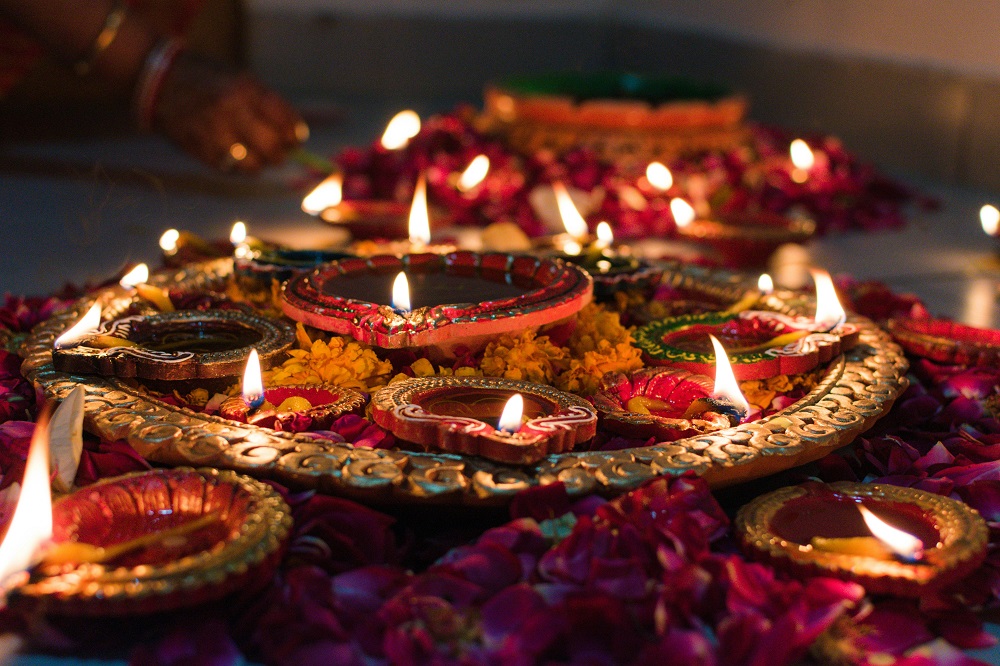
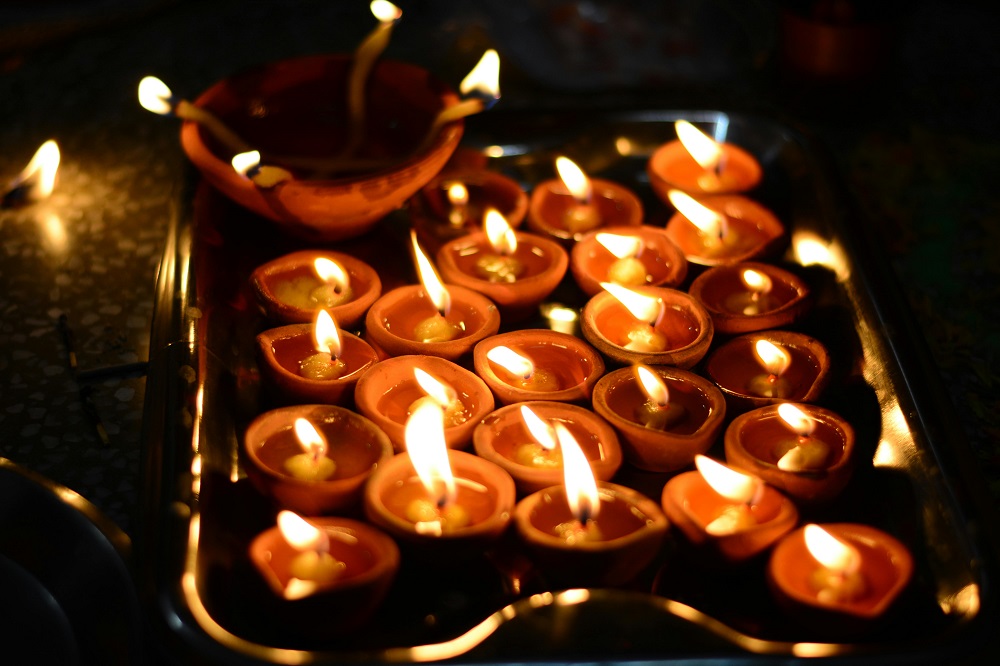
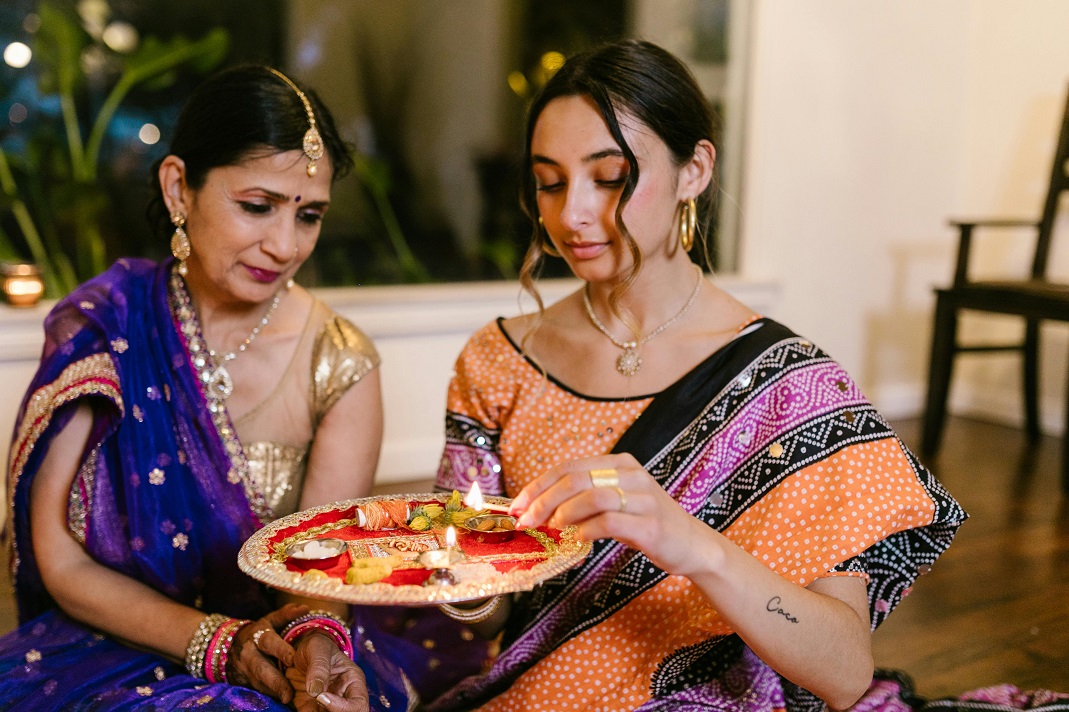
Diwali, also known as Deepavali, is one of India’s most celebrated festivals. The term Deepavali means “a row of lamps,” symbolising the victory of light over darkness and good over evil. Homes, offices, and streets across India glow with diyas, candles, and colourful lights during this joyful time.
The festival is celebrated by Hindus, Jains, Sikhs, and Buddhists, each observing it with unique traditions and cultural practices.
Why Diwali Is Celebrated
Diwali has different origins across regions in India. Some of the most popular beliefs include:
- Return of Lord Rama to Ayodhya: Celebrated as the day Lord Rama, Sita, and Lakshmana returned after 14 years of exile.
- Goddess Lakshmi’s Arrival: Many believe Goddess Lakshmi visits homes during Diwali, bringing wealth and prosperity.
- Victory of Lord Krishna: In South India, the festival marks Lord Krishna’s victory over Narakasura.
- Jain Significance: Jains observe Diwali as the day Lord Mahavira attained nirvana.
- Sikh Significance: Sikhs celebrate it as Bandi Chhor Divas, marking the release of Guru Hargobind Ji.
How Diwali Is Celebrated
The festival is celebrated over five days, each with its own significance:
- Day 1 – Dhanteras: People purchase new items, utensils, or gold, believed to bring good fortune.
- Day 2 – Naraka Chaturdashi / Choti Diwali: Homes are cleaned and decorated with rangoli.
- Day 3 – Lakshmi Puja: The main Diwali night, marked by prayers, lighting diyas, and celebrating with family.
- Day 4 – Govardhan Puja: Celebrates Lord Krishna’s lifting of Govardhan Parvat.
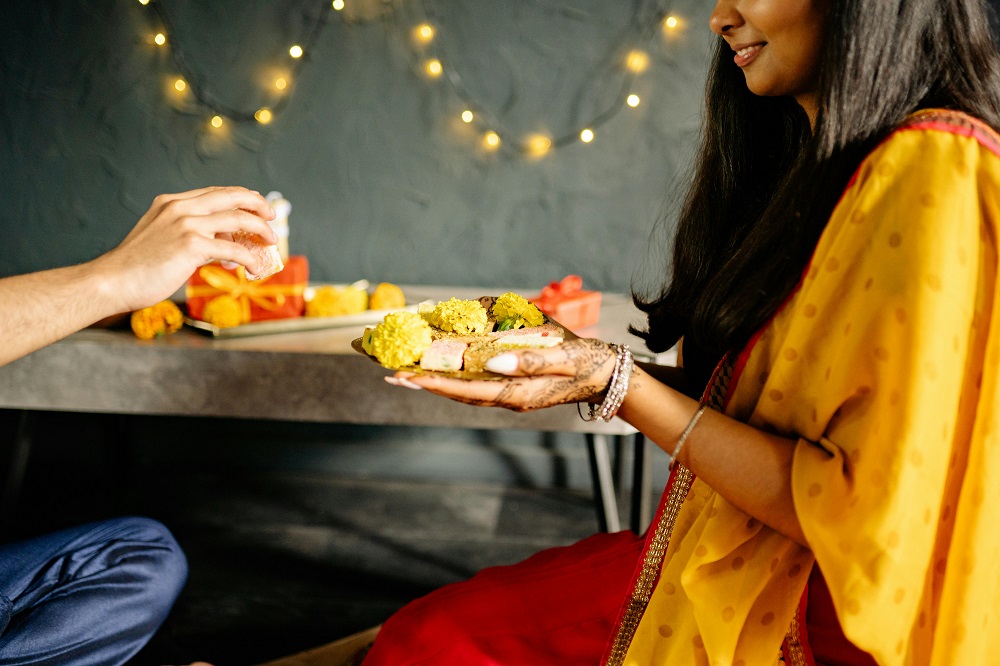
- Day 5 – Bhai Dooj: A day celebrating the bond between brothers and sisters.
Popular Diwali Traditions
- Lighting diyas and candles
- Decorating homes with rangoli
- Sharing sweets and festive foods
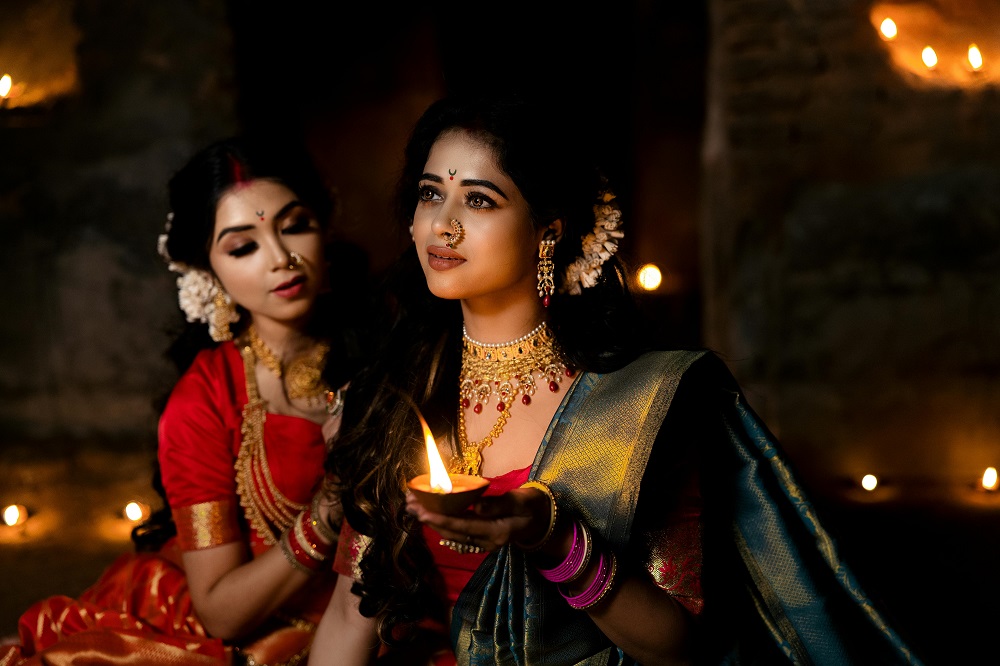
- Wearing new traditional attire
- Performing Lakshmi Puja
- Exchanging gifts with friends and family
- Eco-friendly celebrations and green crackers
- Visiting family and loved ones
Diwali in Modern India
Modern Diwali celebrations combine tradition with technology:
- Use of LED lights, smart lighting, and eco-friendly diyas
- Online gifting and digital greeting cards
- Social media-inspired rangoli and decor ideas
- Corporate Diwali gifting trends across cities like Bangalore
- Promotion of green and pollution-free Diwali
Why Diwali Is Important
- Strengthens family and community bonds
- Promotes positivity and new beginnings
- Reflects India’s cultural unity and heritage
- Encourages acts of kindness, giving, and gratitude
- Symbolises the victory of good over evil
FAQs About Diwali (Deepavali)
1. What is Diwali?
Diwali is a major Indian festival symbolising the triumph of light over darkness and good over evil.
2. When is Diwali celebrated?
Diwali falls in the Hindu month of Kartika, typically between October and November. (Update date annually.)
3. Why do we light diyas during Diwali?
Diyas represent purity, positivity, and the victory of light over darkness.
4. How many days is Diwali celebrated?
Diwali is celebrated over five days, each representing different traditions and rituals.
5. Is Diwali and Deepavali the same?
Yes, both refer to the same festival. The name varies by region.
6. What foods are enjoyed during Diwali?
Sweets like ladoos, barfis, kheer, chakli, murukku, and a variety of savoury snacks.
7. How is Diwali celebrated in South India?
With early morning oil baths, fireworks, special sweets, and prayers marking Lord Krishna’s victory over Narakasura.
8. How can I celebrate an eco-friendly Diwali?
Use clay diyas, LED lights, avoid crackers, and choose natural rangoli colours.